
Project logistics involves much more than simply moving cargo from one location to another. Large industrial movements require careful coordination across route planning, permits, handling, equipment selection, site access, and delivery timing.
For major infrastructure and industrial developments in Saudi Arabia, successful logistics planning starts long before the cargo begins moving.
Start with cargo assessment
The first step is understanding the exact characteristics of the cargo. Dimensions, weight, lifting points, sensitivity, and transport restrictions all influence the logistics strategy.
- Cargo dimensions and gross weight
- Lifting and handling requirements
- Route restrictions
- Final delivery location
- Project schedule and delivery windows
Route planning matters
Oversized and heavy cargo may require dedicated route studies before movement. Road geometry, bridges, overhead structures, access points, and site conditions all need to be reviewed.
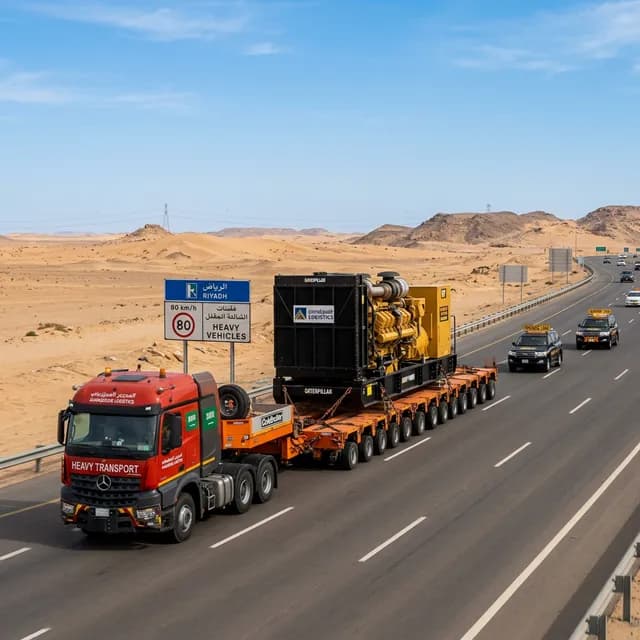
Choose the right equipment
Specialized trailers, lowbeds, modular transporters, cranes, and handling equipment should be selected according to cargo characteristics and site requirements.
Coordinate every stakeholder
Successful execution depends on clear communication between transport teams, project managers, site personnel, authorities, and handling crews.
Final delivery is part of the plan
The final mile is often the most complex stage. Site access, unloading areas, crane availability, and installation sequencing should all be included in the logistics plan.
NEED PROJECT SUPPORT?
Talk to the NEXORA team.
Tell us about your project requirements and our team will help identify the right logistics, manpower, or construction support solution.
Contact Our Team